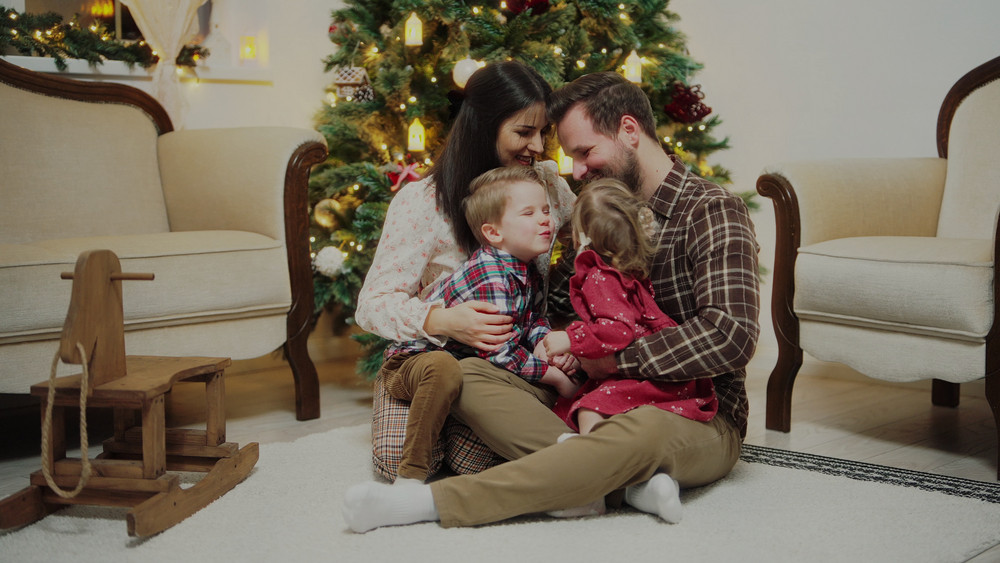
Winter heating plays a major role in keeping a home comfortable, safe, and functional when outdoor temperatures drop. A dependable heating system can maintain consistent indoor temperatures, support healthy humidity levels, and help prevent cold-weather problems throughout the house. Understanding the basics of heating systems, maintenance, repairs, efficiency, and replacement can help homeowners make informed decisions before the coldest days arrive.
Understand How Your Home Heating System Works
Before winter arrives, it helps to understand the type of heating equipment your home uses and the role each component plays. Furnaces, boilers, heat pumps, and other systems operate differently, so knowing what you have can make it easier to recognize changes in performance. Homeowners should know where their main heating equipment is located, what type of fuel or energy it uses, and approximately how old the system is.
Pay attention to the normal sounds, temperature patterns, and operating cycles of the system. Unusual noises, inconsistent temperatures, frequent cycling, or unexplained increases in energy use may indicate that something has changed. Keeping basic equipment information accessible can also make conversations with service providers more productive when professional attention is needed.

Schedule a Professional Heating Inspection Before Winter
A heating system has an important job during the coldest months, which makes preseason service a valuable part of winter preparation. Professional inspections can identify worn components, airflow concerns, electrical issues, or other conditions that could affect performance. Addressing concerns before heavy winter use may also reduce the likelihood of an unexpected breakdown during a particularly cold period.
When comparing heating companies, homeowners should consider experience, service offerings, availability, licensing requirements where applicable, and customer reviews. It is also useful to ask what a seasonal inspection includes and whether the company services the specific type and brand of heating equipment installed in the home.
Scheduling service before the busiest portion of winter can provide more flexibility. It gives homeowners an opportunity to address concerns while the system is still operating and before emergency service demand increases.
Recognize When Your Heating System Needs Attention
Heating problems do not always begin with a complete system failure. Sometimes the earliest signs are subtle changes in comfort or performance. Rooms may begin feeling colder than usual, the system may run longer than it previously did, or the temperature may fluctuate more frequently. These changes can indicate that the equipment needs professional evaluation.
Other warning signs can include unusual odors, strange sounds, repeated shutdowns, weak airflow, or unexplained increases in energy consumption. Homeowners should take these changes seriously rather than waiting until the system stops working completely. Prompt professional attention can help determine whether the issue is minor or part of a larger equipment problem.
Reliable HVAC services can address many different heating concerns while also considering how the heating equipment interacts with the home’s overall comfort system. A qualified technician can evaluate the equipment and recommend appropriate next steps based on its condition.
Keep Indoor Temperatures Consistent
Consistent indoor temperatures can make winter more comfortable while helping a heating system operate efficiently. Large temperature swings may cause the system to work harder as it repeatedly attempts to bring the home back to the desired setting. A properly configured thermostat can help maintain a more stable indoor environment.
Thermostat location also matters. A thermostat exposed to direct sunlight, drafts, exterior doors, or unusual sources of heat may not accurately represent the temperature throughout the house. If certain rooms consistently feel much colder or warmer than others, the issue may involve airflow, insulation, ductwork, equipment capacity, or thermostat placement.
A qualified heating and cooling contractor can evaluate these factors as part of a broader comfort assessment. Rather than focusing only on the thermostat setting, it is useful to consider how the entire heating system distributes warmth throughout the home.

Know When Furnace Installation May Be Necessary
Some homeowners enter winter with an aging furnace that has become increasingly difficult to maintain. If the existing system has significant wear, repeated problems, poor efficiency, or inadequate heating capacity, replacing it may make more sense than continuing to invest in repairs. The decision should be based on the system’s age, condition, operating costs, reliability, and ability to meet the home’s needs.
Professional furnace installation involves more than simply placing new equipment where the old unit was located. The system needs to be appropriately sized for the home, correctly connected, properly vented when applicable, and configured for effective airflow. A professional installation can also help ensure that the new system operates according to its intended specifications.
Homeowners considering replacement should compare available equipment options and ask questions about efficiency ratings, warranties, expected service life, maintenance requirements, and operating costs. Taking time to evaluate these factors can make the long-term investment more worthwhile.
Address Furnace Problems Before They Become Emergencies
A furnace that struggles to maintain comfortable temperatures may be experiencing a problem that should not be ignored. Unusual noises, repeated cycling, inconsistent heat, or sudden changes in performance deserve professional attention. Waiting until the system fails completely can create additional inconvenience, especially when temperatures are extremely low.
Professional local furnace repair can help homeowners address problems while preserving equipment that still has useful life remaining. A technician can evaluate the system, identify the source of the problem, and explain whether repair is appropriate based on the equipment’s condition.
Repair decisions should consider both the immediate problem and the broader condition of the furnace. If an older system has experienced multiple significant failures, continuing repairs may eventually become less practical than replacement. A professional assessment can help homeowners understand their options without making decisions based solely on a single malfunction.
Choose the Right Heating Professional for Your Home
Heating equipment represents a significant part of a home’s comfort infrastructure, so selecting the right service provider matters. Homeowners should look for companies with appropriate credentials, relevant experience, transparent pricing practices, and a track record of quality service. It is also helpful to choose a provider familiar with the specific heating technology installed in the home.
A qualified heating contractor can provide guidance for maintenance, repairs, system upgrades, and replacement decisions. Before scheduling work, ask about the scope of the service, expected timeline, equipment recommendations, warranty coverage, and any additional work that may be required.
Good communication is particularly important when making larger heating investments. A reputable provider should be willing to explain why a particular recommendation is being made and help homeowners understand how different options may affect comfort, efficiency, and long-term operating costs.
Consider the Benefits of Working With a Local Provider
Winter weather can change quickly, and having access to a nearby service provider can be valuable when heating problems arise. Local companies may be familiar with regional weather patterns, common heating needs, and the types of systems frequently installed in homes throughout the area. Availability can also be an important consideration during periods of high demand.
A local HVAC contractor can become a useful long-term resource for heating and cooling needs. Instead of searching for a new provider every time an issue develops, homeowners can establish an ongoing service relationship and maintain a consistent record of equipment inspections, repairs, and replacements.
When choosing a local provider, consider more than proximity. Look at experience, customer feedback, service availability, equipment knowledge, and the range of services offered. A nearby company that provides comprehensive support may be more useful over time than one selected solely because of location.

Understand The Value Of Regular Heating Maintenance
Regular maintenance is an important part of keeping heating equipment dependable. Seasonal service allows technicians to examine components, identify wear, evaluate system operation, and address concerns that could affect performance. Consistent service can also provide homeowners with a better understanding of how their equipment is aging.
Experienced HVAC contractors can evaluate the heating system as part of its broader operating environment. This can include examining airflow, controls, electrical components, combustion-related equipment where applicable, and other system-specific elements. The exact service will depend on the type of equipment installed.
Keeping records of maintenance and repairs can also be helpful. Documentation can make it easier to identify recurring issues and provide useful information when considering future repairs or replacement. It can also help homeowners understand how much they have invested in maintaining an older system over time.
Consider a Heat Pump for Efficient Winter Comfort
Homeowners exploring alternatives to traditional heating equipment may want to learn more about a heat pump. Heat pumps transfer heat rather than generating warmth through traditional combustion, and modern systems are available in configurations designed to provide both heating and cooling. Their suitability depends on factors such as climate, home design, insulation, existing equipment, and electrical infrastructure.
Heat pump technology has developed significantly, making it an option worth discussing with a qualified professional. Some systems can provide effective heating during cold weather while also serving as an air-conditioning solution during warmer months. This dual-purpose capability can make the technology appealing for homeowners interested in simplifying their heating and cooling equipment.
Before selecting a heat pump, consider installation requirements, efficiency ratings, operating costs, backup heating needs, and expected performance during the coldest temperatures in the region. A professional evaluation can help determine whether the system is appropriate for the home.
Know When Furnace Replacement Makes Financial Sense
There comes a point when an aging furnace may no longer be the most practical option for a home. Frequent repairs, declining performance, rising operating costs, difficulty finding replacement components, and an inability to maintain comfortable temperatures can all be signs that replacement deserves consideration.
Furnace replacement can provide an opportunity to improve heating performance while selecting equipment that better matches the home’s current needs. Changes to the home since the original furnace was installed may also affect the appropriate system size and configuration. Additions, insulation improvements, new windows, or other renovations can change heating requirements.
Homeowners should compare the expected cost of continued repairs with the investment required for new equipment. The cheapest immediate option is not always the most economical long-term choice. Looking at efficiency, reliability, maintenance expectations, warranty coverage, and anticipated operating costs can provide a more complete picture.

Think About Indoor Air Quality During Winter
Winter heating affects more than temperature. Because homes are often closed up for extended periods during cold weather, indoor air quality and humidity can also become important considerations. Dry indoor air may make a home feel less comfortable, while excessive humidity can contribute to condensation and other concerns.
Heating equipment should operate as part of a broader indoor comfort strategy. Depending on the home, this may involve ventilation, filtration, humidity control, or other equipment designed to support indoor environmental quality. The right combination will depend on household needs, existing systems, and the home’s construction.
Professional HVAC evaluations can consider comfort beyond the thermostat reading. Discuss concerns such as dry air, excessive condensation, unusual odors, or persistent indoor temperature differences so the service provider can consider the broader picture.
Prepare For The Coldest Winter Days
A heating system may operate differently during an extreme cold snap than it does during moderate winter weather. Equipment that easily maintains the desired temperature during mild conditions may run for longer periods when outdoor temperatures fall significantly. Homeowners should understand what normal operation looks like for their particular system.
Before the coldest part of winter, confirm that important heating information is easy to access. Keep service records, equipment details, warranty information, and provider contact information together. Knowing whom to contact if a problem develops can save valuable time during an uncomfortable situation.
It’s also wise to consider the age and condition of the system before severe weather arrives. If the equipment has already shown warning signs, waiting for the coldest day of the year to address them can create unnecessary stress. Proactive professional attention can help homeowners enter winter with greater confidence.
By preparing before the coldest weather arrives, homeowners can approach winter with greater confidence. A well-maintained heating system can provide consistent comfort when it matters most, while informed planning can help ensure that heating decisions support the home’s needs for years to come.